

Secure checkout
Delivery estimates & local pickupCheck your postcode or see store details
Add your items to the cart, then enter your state and postcode to check shipping for the whole order.
Monday–Sunday · 9am–5pm
Choose pickup at checkout where available, then wait for your ready-to-collect confirmation.
Product details
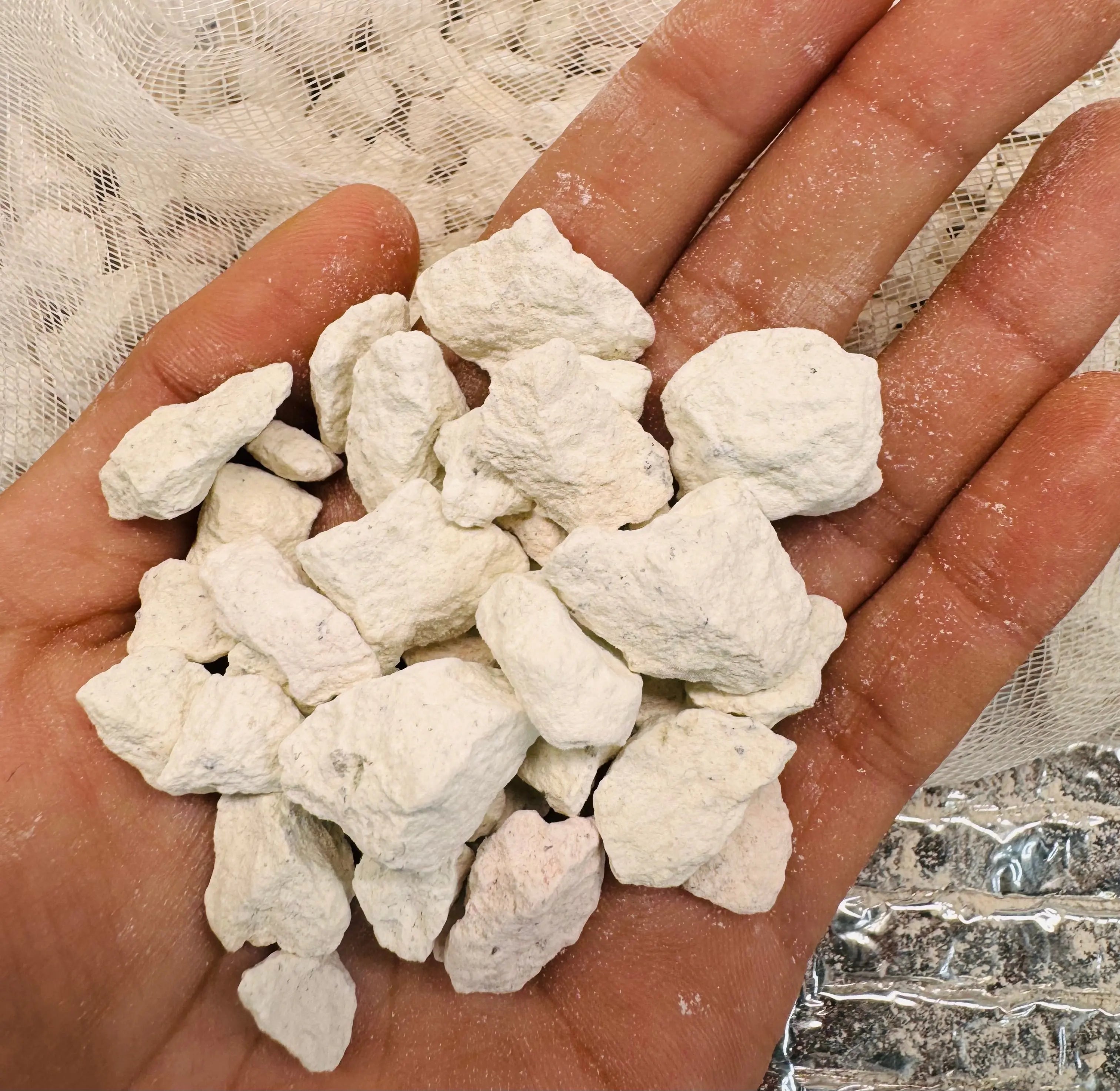
- High capacity biofiltration
- Absorb ammonia, nitrite, and nitrate
- Highly porous - enormous surface area (>700 m2/L)
- Supports aerobic and anaerobic bacteria species
Why do I need Ammonia - Nitrite - Nitrate Cystal ?
✅When the Ammonia - Nitrate level in your aquarium over the limit which can cause serious illness and critical for livestock .
✅When you overstock your aquarium and it is crashed.
✅When your aquarium is cloudy which can be lack of bacteria or over waste .
✅1 Bag can treated up to 100 liter tank in 8 month.
However, you need to find out the root cause so you can avoid it happen again in the future .
Contact us for consultation.
Fact:
In an aquarium, ammonia (NH₃) and nitrate (NO₃⁻) levels must be carefully monitored to ensure the health of aquatic livestock.
### Acceptable Levels:
- **Ammonia (NH₃)**:
- **0 ppm (parts per million)** is ideal.
- Ammonia should be undetectable in a well-established and cycled aquarium. Even low levels (above 0.25 ppm) can be toxic to fish and other aquatic life.
- **Nitrite (NO₂⁻)**:
- **0 ppm** is also ideal.
- Nitrite is highly toxic, and even small amounts (above 0.5 ppm) can be dangerous to fish.
- **Nitrate (NO₃⁻)**:
- **Below 20 ppm** is preferred for most freshwater and saltwater aquariums.
- Levels above 40 ppm can stress fish, inhibit growth, and lead to long-term health problems.
### Effects of High Levels:
- **Ammonia Toxicity**:
- Gills damage in fish, leading to difficulty in breathing.
- Increased susceptibility to diseases.
- Stress, which may lead to erratic behavior or loss of appetite.
- Death if levels are not quickly reduced.
- **Nitrite Toxicity**:
- Interferes with the ability of fish to absorb oxygen, causing "brown blood disease."
- Stress and lethargy.
- Gills damage, leading to respiratory issues.
- Death if not addressed promptly.
- **High Nitrate Levels**:
- Chronic stress in fish, making them more vulnerable to diseases.
- Algae overgrowth, leading to oxygen depletion in the water.
- Slower growth rates and reduced reproductive success.
- Poor water quality, negatively affecting overall aquarium health.
### Maintenance:
- Regular water changes (25-50% weekly) help to keep nitrate levels in check.
- Proper filtration and biological cycling prevent ammonia and nitrite buildup.
- Testing water parameters regularly ensures that levels remain safe for livestock.