


Secure checkout
Delivery estimates & local pickupCheck your postcode or see store details
Estimate shipping for your order
Add your items to the cart, then enter your state and postcode to check shipping for the whole order.
Micro Aquatic ShopUnit 15, 2–8 Daniel Street, Wetherill Park NSW 2164
Free
Monday–Sunday · 9am–5pm
Choose pickup at checkout where available, then wait for your ready-to-collect confirmation.
Product details
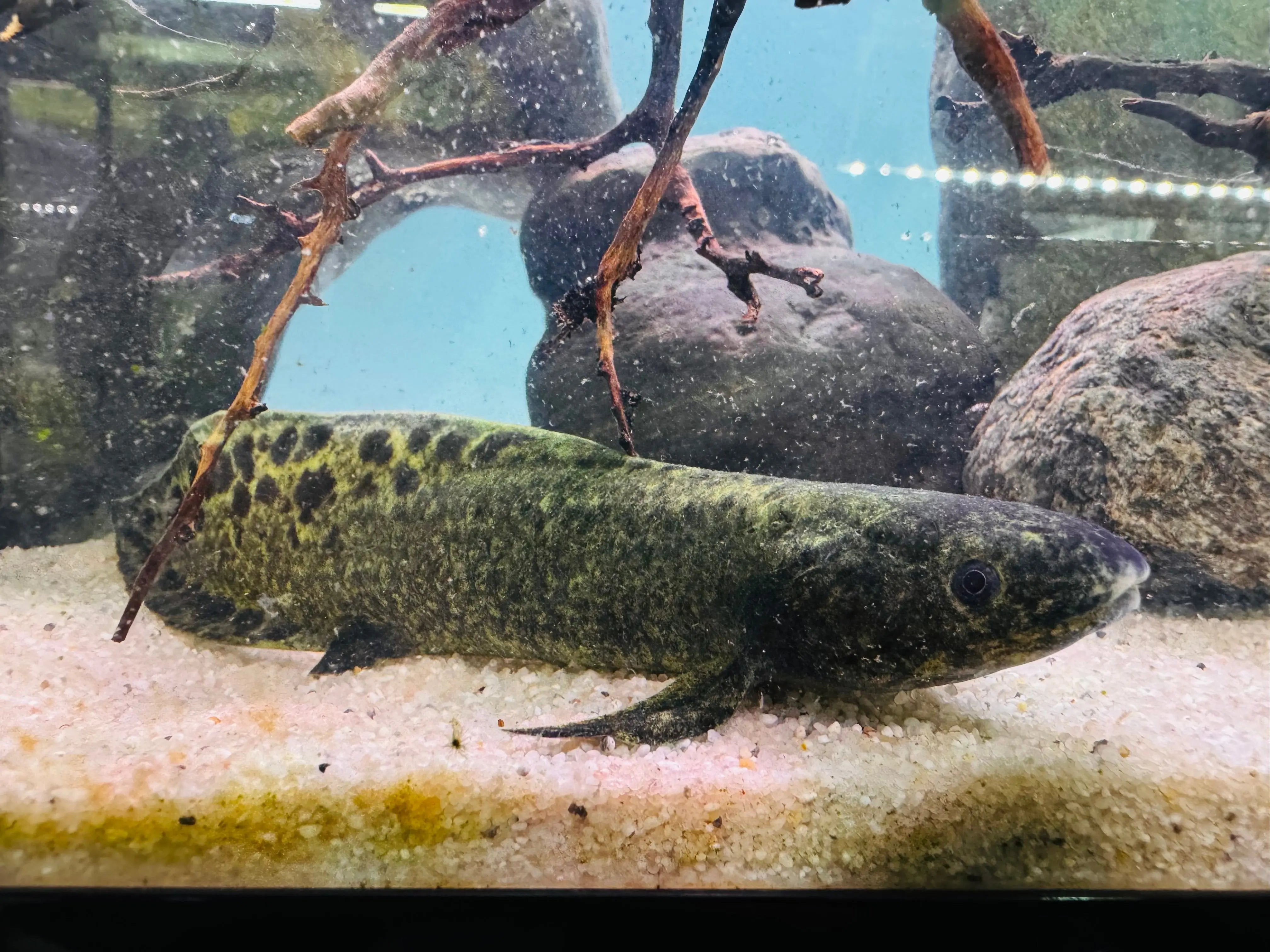
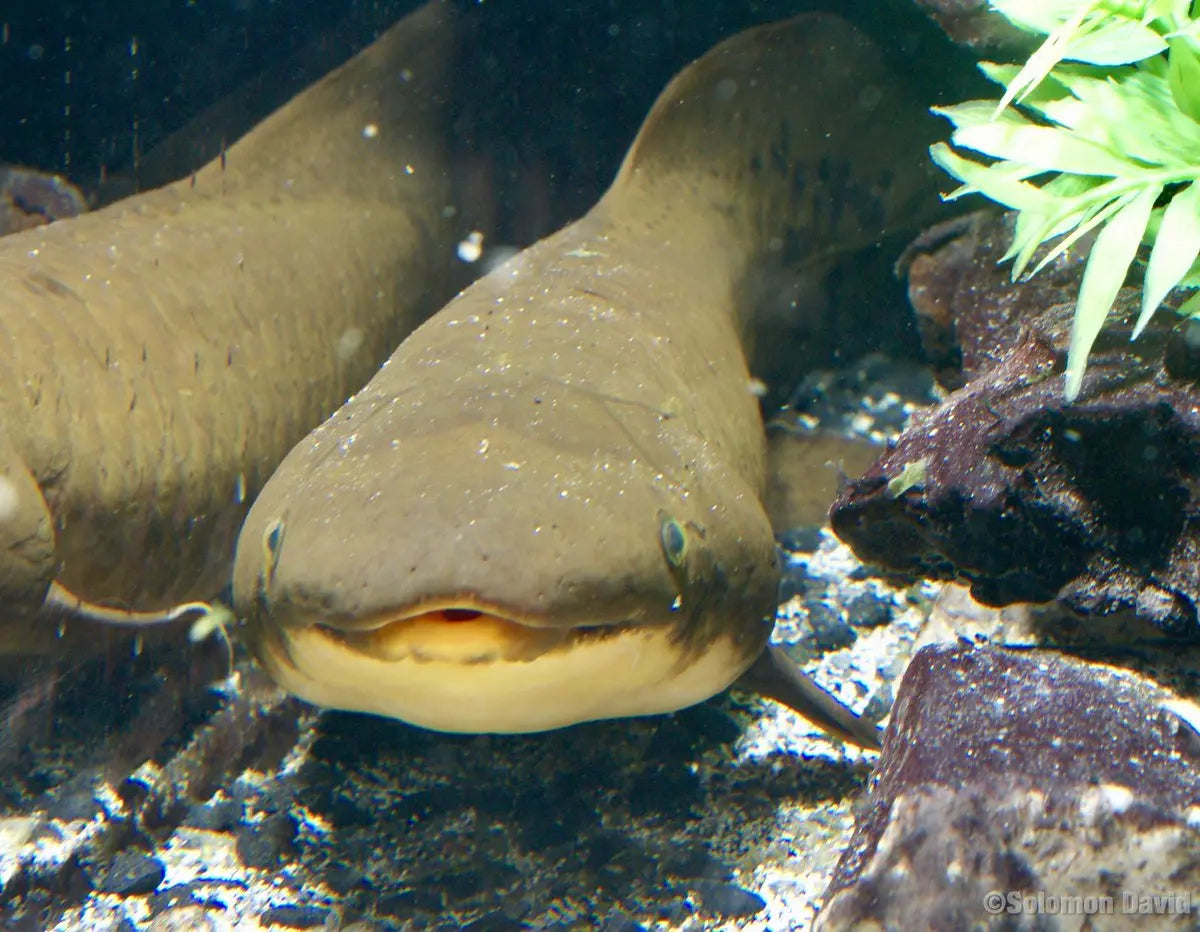
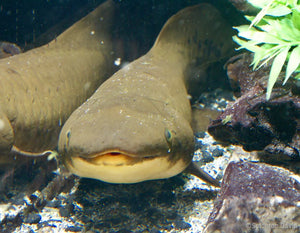
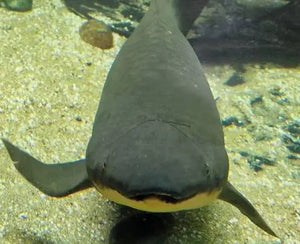
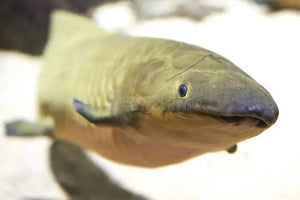
Lungfish are really fascinating because they’re like a living bridge between fish and amphibians — a window into evolution. Here are the most special things about them:
🌊 Unique Features of Lungfish
-
Lungs and Gills Together
- Unlike most fish, lungfish can breathe with lungs (not just gills).
- They come to the surface to gulp air, especially in low-oxygen waters.
- Some species (African lungfish) are obligate air breathers → they’ll drown if they can’t reach the surface.
-
Dormancy / Estivation
- African lungfish can survive months to years without water.
- They burrow into mud, secrete a mucous cocoon, and slow their metabolism until rains return.
-
Extremely Old Lineage
- Lungfish have existed for over 400 million years (Devonian period).
- They’re considered “living fossils” because they still retain primitive traits linking fish to land vertebrates.
-
Huge Genome
- The Australian lungfish (Neoceratodus forsteri) has one of the largest genomes of any vertebrate (40x bigger than human DNA).
-
Long Lifespan
- Some can live over 100 years (especially Australian lungfish in captivity).
-
Closest Living Relatives to Tetrapods
- Genetically, lungfish are closer to humans, frogs, and reptiles than to other fish.
- Studying them helps us understand how animals first transitioned from water to land.
🐟 Fun Facts
- They have a very strong bite — can crush snails, clams, and even small turtles.
- Their movement on land (using fins like limbs) gives scientists clues about how the first four-legged animals evolved.
- Only 6 living species remain today: 1 in Australia, 1 in South America, and 4 in Africa.
Limited Quantity Available - Will Sell out Fast!
Note:
We can’t ship Livestock and Live Plants to WA, NT and TAS due to State Restrictions. Kindly check out our DOA and other policies before purchase!!
What to Expect from Us
All Aquatic plants and animals come with a 100% live arrival guarantee!!