

Secure checkout
Delivery estimates & local pickupCheck your postcode or see store details
Add your items to the cart, then enter your state and postcode to check shipping for the whole order.
Monday–Sunday · 9am–5pm
Choose pickup at checkout where available, then wait for your ready-to-collect confirmation.
Loading care and tank mate guidance…
Browse care guidesProduct details
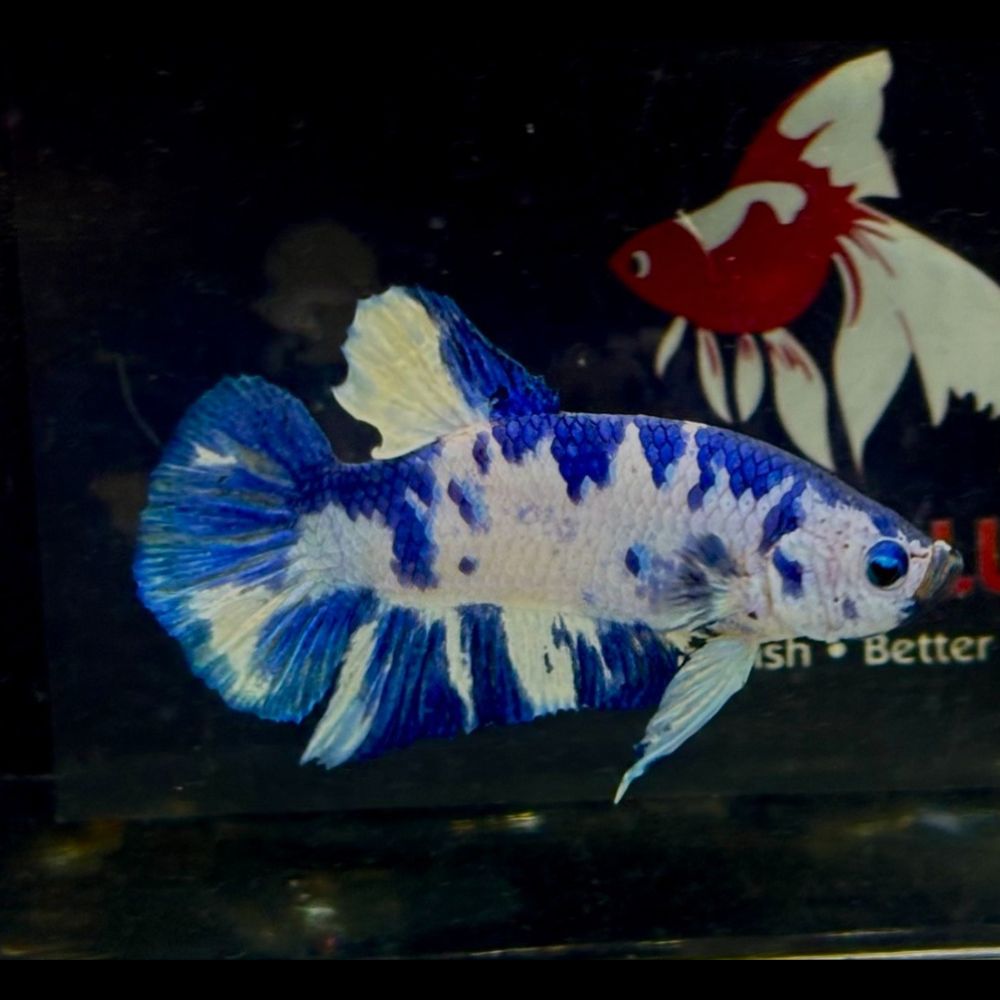
Note : When you purchase this type of betta, we will select for you, and product image is for your reference. If you wish to choose your specific color, please contact us via email/facebook or visit us in store at Unit 15 2-8 Daniel St Wetherill Park 2164 NSW , open 9-5pm everyday.
Here’s a care guide for Betta fighting fish (Betta splendens) that will help you keep them healthy and vibrant:
🐠 Tank Setup
- Tank Size: Minimum 10 liters (2.5 gallons), ideally 20 liters (5 gallons) or more.
- Water Temperature: 24–28°C (75–82°F). A heater is essential in cooler climates.
- Filtration: Gentle filter—bettas dislike strong currents.
- Water Quality: Use a conditioner (like Seachem Prime) to remove chlorine/chloramine. Keep ammonia/nitrite at 0 ppm, nitrates <20 ppm.
- Lighting: Moderate light, with a day/night cycle.
🌿 Environment
- Decorations: Provide hiding spots (plants, caves). Avoid sharp objects that can tear fins.
- Substrate: Sand or smooth gravel.
- Plants: Live or silk plants are preferred; they mimic natural habitat and reduce stress.
🍽️ Feeding
- Diet: High-quality betta pellets, supplemented with frozen or live foods (bloodworms, brine shrimp, daphnia).
- Frequency: 1–2 small meals per day. Avoid overfeeding—bettas have small stomachs.
- Fasting: One fasting day per week helps prevent bloating.
🧼 Maintenance
- Water Changes: 25–30% weekly for small tanks, 15–20% for larger tanks.
- Cleaning: Rinse decorations and filter media in tank water (not tap water) to preserve beneficial bacteria.
- Monitoring: Regularly test water parameters.
⚔️ Behavior & Companionship
- Territorial Nature: Male bettas should be housed alone; they fight other males.
- Tankmates: Peaceful species like snails, shrimp, or small schooling fish (with caution). Avoid fin-nippers.
- Activity: Bettas are curious and intelligent—interact with them, provide enrichment.
🚨 Health Watch
- Common Issues: Fin rot, ich, constipation, swim bladder disorder.
- Signs of Stress: Clamped fins, lethargy, loss of color, refusal to eat.
- Prevention: Stable water conditions, proper diet, and stress-free environment.
👉 In short: Bettas need warm, clean water, a gentle environment, and a balanced diet. With proper care, they can live 3–5 years and show off their stunning colors and personalities.