


Secure checkout
Delivery estimates & local pickupCheck your postcode or see store details
Add your items to the cart, then enter your state and postcode to check shipping for the whole order.
Monday–Sunday · 9am–5pm
Choose pickup at checkout where available, then wait for your ready-to-collect confirmation.
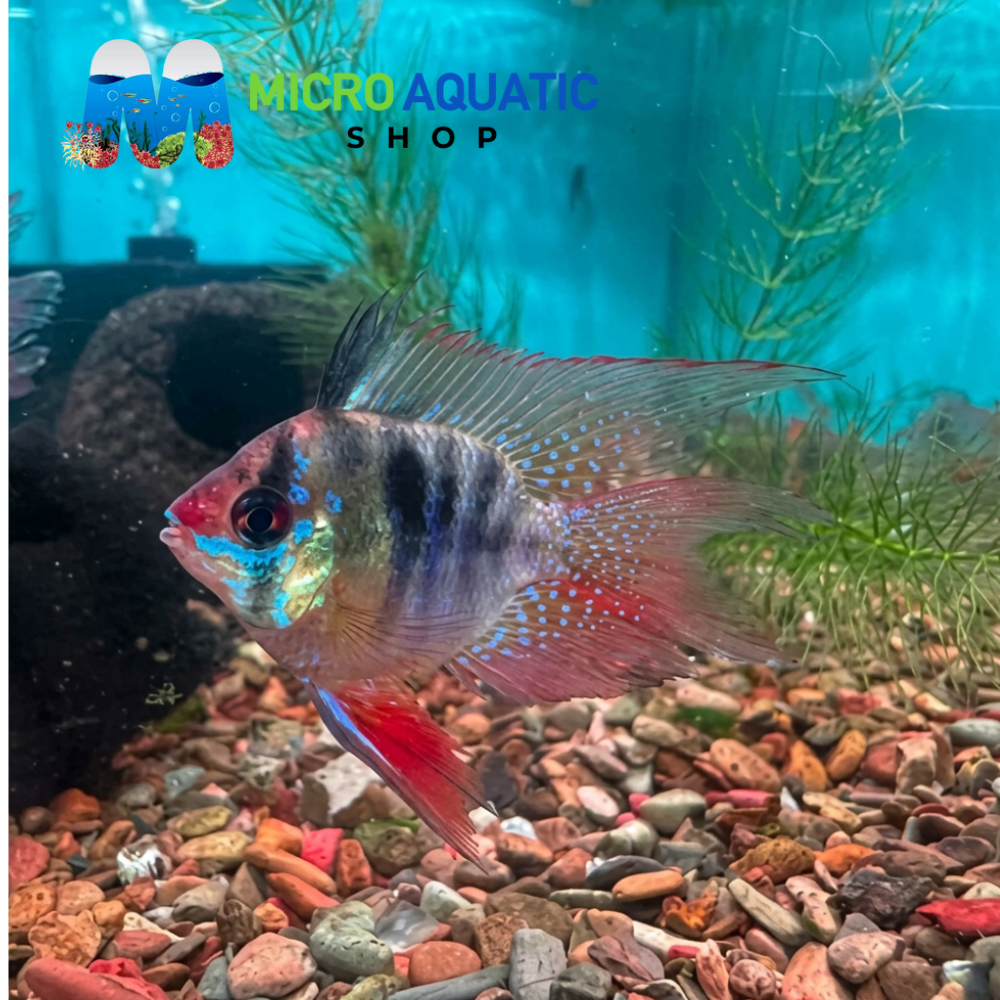
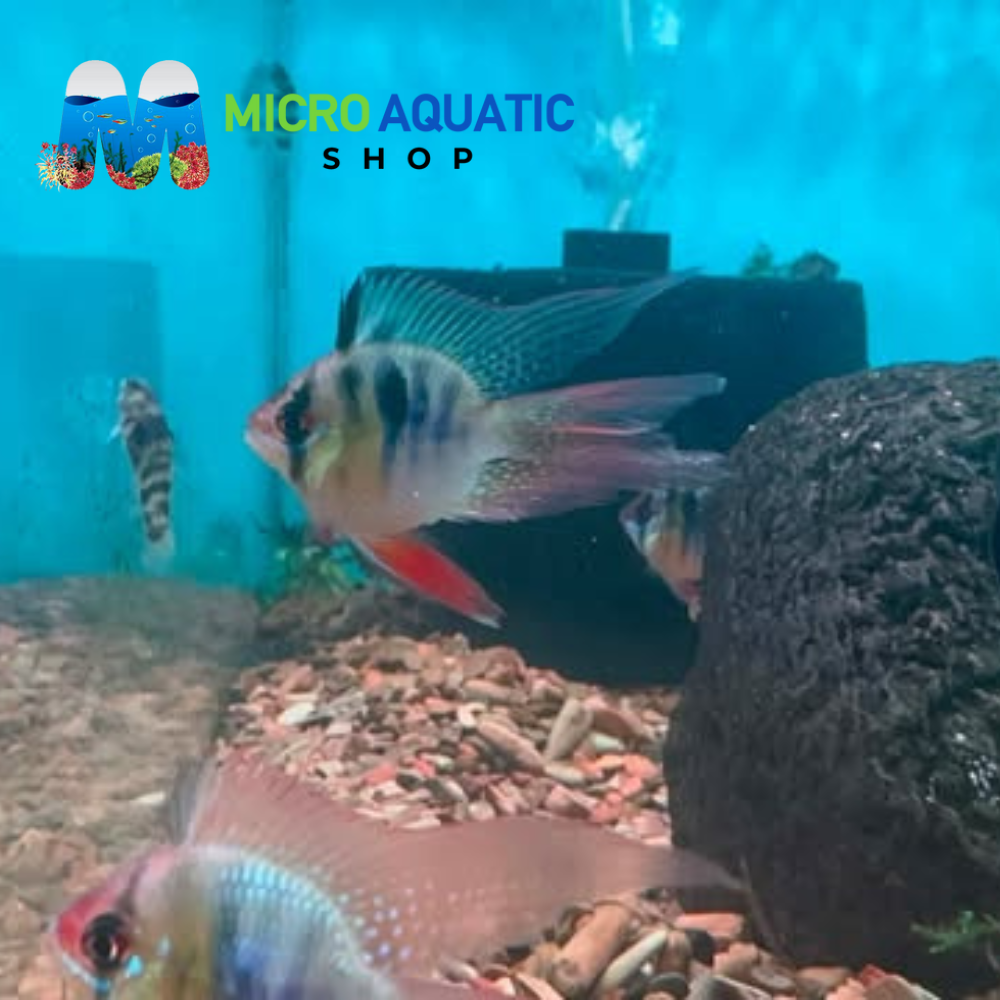
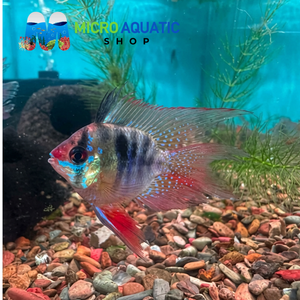
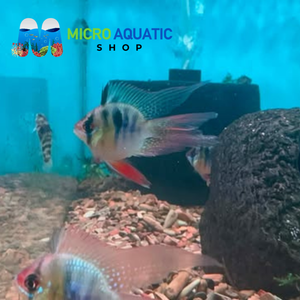
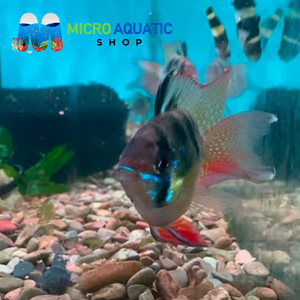
Dwarf Cichlid - German Balloon Ram Longfin (Microgeophagus Ramirezi) 3cm Show
Loading care and tank mate guidance…
Browse care guidesProduct details
Ram Cichlid
✅ Size: 3 cm
✅ The Ram is a very colorful fish, will make your tank more atractive.
Care
The Ram is a tank-bred colour strain of the Ram. In the wild, Rams are known from the Colombian and Venezuelan Llanos of the Orinoco River drainage. The Llanos is a vast, periodically flooded tropical grassland plain with an astonishing biodiversity and its own well defined weather comprising dry and rainy seasons. Rams are a peaceful, but delicate dwarf cichlid species that are recommended for experienced aquarists. The home aquarium should contain soft, acidic water and be biologically mature before these fishes are added. Ideally there will be dark substrate and dense planting, with plenty of hiding places/territories amongst rocks, driftwood, upturned flower pots, coconut shells etc. Floating plant cover could be used to help diffuse the light. Peat filtration and the addition of dried Indian Almond Leaves (Terminalia catappa) would be beneficial to help create the favoured conditions. Filtration should be efficient, but water movement gentle, and frequent partial water changes should be carried out in order to keep nitrate at a minimum (essential for the successful keeping of this species). Rams are best maintained as a male-female pair in a peaceful community setting, and should not be housed with any aggressive species which may bully them. Small groups of Rams can be kept together, but you may find that certain fish pair off, and when breeding, they can become a little territorial towards others. Tankmates should be small and peaceful and good companions could include Corydoras catfish, hatchetfish, pencilfish, small tetras, and suckermouth catfish.
✅Feeding
Flake, micropellets, small frozen foods such as bloodworm, white mosquito larvae, vitamin-enriched brineshrimp and daphnia.
✅Breeding
To breed Rams, the aquarium water must be very soft (<5 dH) with a pH <7.0. The water temperature should be set at the high end of their preferred range. Females can lay up to 400 eggs (although 250 is a typical average sized brood), which both male and female will take turns in guarding and fanning with their pectoral fins. These eggs should hatch after 48-72 hours and the fry will become free-swimming after 5 days, at which stage they can be offered tiny foods such as infusoria and microworms, moving on to larger foodstuffs as they grow. The parent fish will herd the youngsters around the tank, protecting them from any potential predators. If you wish to ensure a high survival rate for your eggs/fry, it would be prudent to set up a dedicated breeding tank for this purpose.
✅ Tank set up:
The water parameters to best mimic the natural environment are as follows:
- Temperature: 78-85°F
- pH range: 6.0-7.5
- Water hardness: 6-14 dGH
- Moderate to subdued lighting
- Slow to moderate water current
A mix of gravel and sand can be used as a substrate. You can also add some large rocks for decoration.
Limited Quantity Available - Will Sell out Fast!
Note:
We can’t ship Livestock and Live Plants to WA, NT and TAS due to State Restrictions. Kindly check out our DOA and other policies before purchase!!
What to Expect from Us
All Aquatic plants and animals come with a 100% live arrival guarantee!!